The Role of Vitamins and Minerals in Preventing Low Haemoglobin
Thursday, 20 November 2025, 12:23 IST
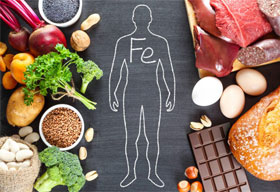
Haemoglobin is a blood-forming protein present in red blood cells responsible for transporting oxygen throughout your body. If haemoglobin falls below the required level you could experience symptoms of fatigue, weakness, loss of strength and inability to physically do what you normally would. The only way to maintain a healthy haemoglobin level is by ensuring you receive adequate nutrition, primarily through the consumption of key vitamins and minerals that facilitate the creation and functioning of red blood cells.
The Role of Diet and Nutrition in Sustaining Healthy Levels of Haemoglobin
An optimal amount of each of the key vitamins and minerals, as well as other nutrients, in a well-balanced diet is required to promote the production of the highest quality haemoglobin possible. Key nutrients include: iron, vitamin B12, folic acid, and vitamin C; all of which contribute to the function, maturation, and longevity of red blood cells. A lack of these nutrients can negatively affect your body's ability to create enough haemoglobin.
Dietary Supplements Like cogniza tablet help provide vitamins and minerals to enhance cognitive function and overall energy which may help to promote red blood cell health in combination with properly consumed diets and medical supervision.
Important Vitamins and Minerals Involved in Producing Haemoglobin
Iron:
Iron provides the structural basis for haemoglobin and is therefore the primary element in enabling red blood cells to effectively transport oxygen. Iron-rich foods include lean meat, lentils, leafy greens and fortified cereals. Adequate consumption of iron is essential to avoid developing iron deficiency related anaemia.
Folic Acid (Vitamin B9)
Folic acid facilitates the production of red blood cells within the bone marrow and acts synergistically with vitamin B12 to enable new red blood cells to be produced and operate correctly. Folate-rich foods include spinach, beans and citrus fruits.
Vitamin B12:
Vitamin B12 is required for DNA synthesis and the maturation of red blood cells. Without sufficient vitamin B12, red blood cells develop abnormally and reduce their ability to transport oxygen. Vitamin B12 is found in dairy products, eggs, and many plant-based foods that have been fortified with this nutrient.
Vitamin C:
Vitamin C enhances the absorption of non-haem iron (iron from plant-based foods). As such, consuming foods that are high in vitamin C, i.e., citrus fruits, tomatoes, and bell peppers, can significantly increase the effectiveness of iron consumed from plant-based food sources.
Copper and Zinc:
Both copper and zinc are trace minerals that play a role in facilitating iron metabolism and the production of haemoglobin. Both of these minerals serve as co-factors for various enzymatic reactions required for the production of red blood cells. Nuts, seeds and whole grains are common food sources of both copper and zinc.
Maintaining Healthy Haemoglobin Levels
In order to sustain healthy haemoglobin levels, a well-balanced diet consisting of whole grains, fruits, vegetables, and lean protein should be maintained. Additionally, limiting or avoiding processed foods and beverages that impede iron absorption (e.g., tea and coffee), will also be beneficial.
Monitoring the results of regular health check-ups and blood tests will allow healthcare providers to identify any potential nutritional deficiencies at an early stage. In the event of identified deficiencies, supplements may be prescribed by a healthcare provider to restore nutrient balance and ultimately improve overall health.
Supplements such as cognihop tablets, which typically combine multiple vitamins and minerals, may support total wellness and assist with maintaining healthy haemoglobin levels, provided they are used in conjunction with a medically supervised and monitored dietary plan.