Hearing Loss and Mental Health: How Hearing Aids Can Help
Monday, 15 December 2025, 17:51 IST
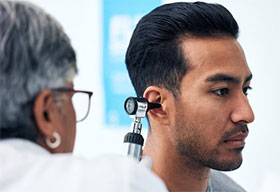
Across India, many people brush off muffled speech as “just noise.” Over time, ordinary chats start feeling like quizzes. This slow grind matters: untreated hearing loss pushes up stress, drains confidence, and nudges mood downward. You begin avoiding team huddles, family functions, and restaurant dinners because keeping up takes work. Friends misread “pardon?” as disinterest. Colleagues think you are distracted. Inside, you are simply tired - tired of guessing, tired of apologising, and tired of missing the thread.
How hearing aids shift mood and daily life
Modern devices do more than boost volume. They clarify consonants, tame background clatter, and reduce the cognitive load of filling gaps. When listening becomes easier, anxiety eases, sleep improves, and people re-enter noisy spaces - cafés, trains, weddings - without dread. We often hear users in their forties say they feel “present” again. That feeling is priceless: it restores confidence, steadies relationships, and brings laughter back into the room.
What gets easier
- Conversations land the first time, so frustration falls on both sides.
- Focus sharpens because the brain is no longer firefighting missed syllables.
- Safety rises: horns, alarms, and platform announcements are clearer.
- Self-worth returns as you contribute more in meetings and at home.
Untreated versus aided at a glance
|
Aspect |
Untreated hearing loss |
With well-fitted hearing aids |
|
Mood |
Irritability, worry |
Calmer, more optimistic |
|
Energy |
Mental fatigue |
Less effort, more stamina |
|
Relationships |
Misunderstandings |
Easier closeness |
|
Work/Study |
Missed details |
Better comprehension |
|
Safety |
Blunted awareness |
Quicker responses |
If the word “aid” worries you, think “wearable hearing tech.” Glasses do not mark weakness; hearing support shows care for health, relationships, safety, and work, which is entirely sensible.
When to act and how to start
Notice any of these? The TV volume creeps up. You laugh late at jokes. Busy restaurants blur speech. Family says you seem withdrawn. If so, begin with a simple check. An online hearing test is handy for a first look; use good headphones in a quiet room and treat the result as screening, not diagnosis. Then book a comprehensive assessment with an audiologist, who will map your hearing, explain realistic options, and set expectations for adaptation.
Choosing the right route
Think about style, features, and aftercare - not just price. Behind-the-ear designs handle a wide range of needs; discreet in-ear models suit those who value minimal visibility. Look for directional microphones, noise reduction, feedback control, and Bluetooth for calls or bhajans. In India, service matters: choose a clinic that offers trial periods, follow-up tuning, and support in your city. Real benefit comes from a careful fit and a few return visits, not a quick sale.
Quick tips for the first month
- Wear your devices most of the day so your brain relearns sound.
- Start in calmer spaces before tackling bazaars and metros.
- Face the speaker, reduce background noise when possible, and ask for clear speech.
- Let family know what helps; cooperation beats speaking for you.
Mental health tools that work alongside hearing care
Hearing help is central, but small habits amplify the gains:
- Routine breaks: A five-minute pause after long meetings keeps fatigue in check.
- Movement: A morning walk boosts mood and primes attention.
- Community: Join a local support group; advice from peers saves weeks of trial and error.
- Sleep: Consistent rest steadies concentration and coping.
- Counselling: Short, skills-based therapy can ease worry while you adapt to new sounds.
Final word
Treating hearing loss is not vanity; it is self-care with real ripple effects. Clearer sound eases strain, lifts confidence, and brings you back into the room. If you are unsure where to begin, take an online hearing test to gauge your starting point, then book a full evaluation. Early action prevents the slow slide into isolation and protects mental well-being. India’s soundscape - morning aarti, chai chats, platform calls, cricket commentary - should feel welcoming, not wearying. With the right plan and a supportive clinician, everyday listening becomes natural again.